



 پخش همه
  مکث
مکث  افزودن به صف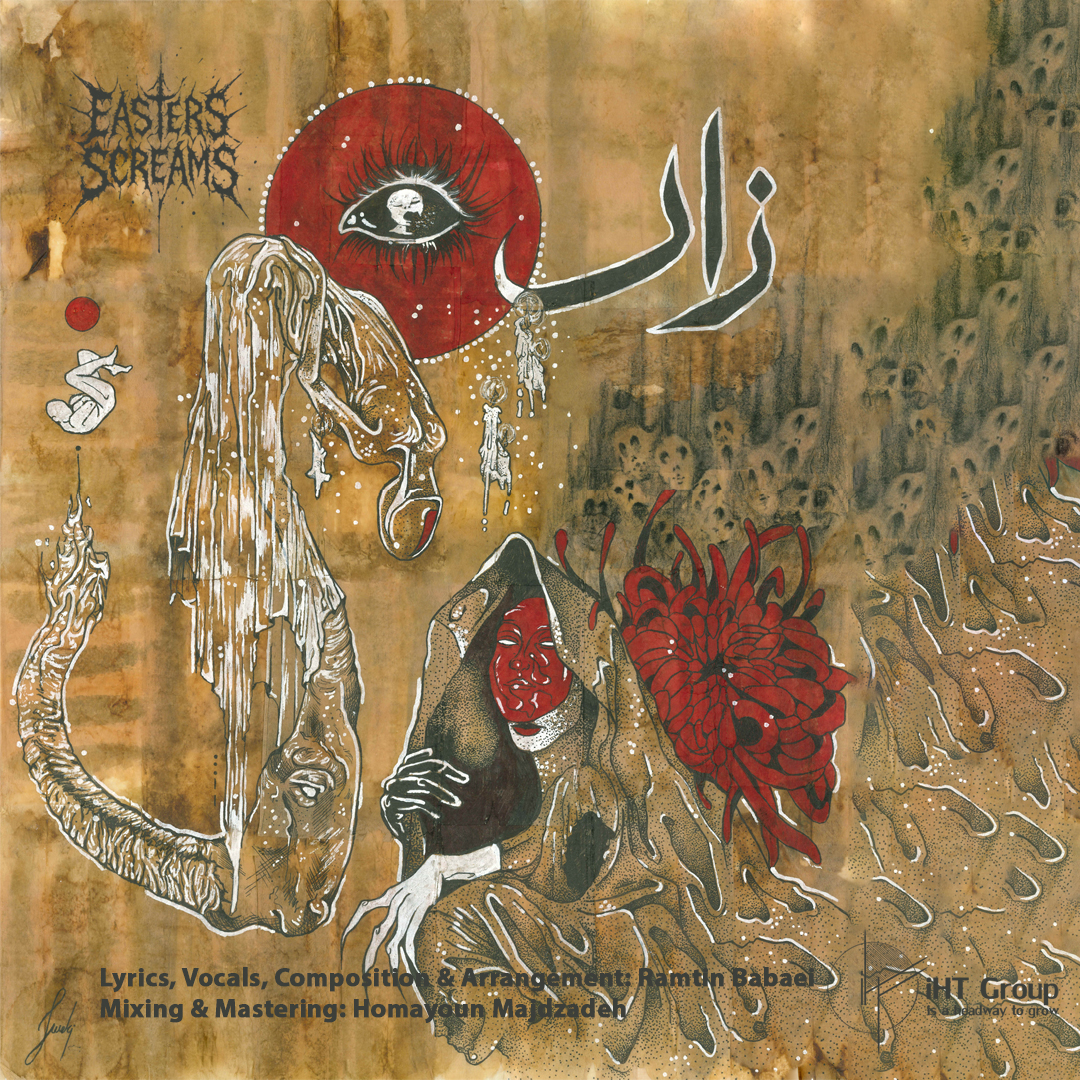
توسط - EASTERS SCREAMS BAND
Track I — Hooy and Hava Lyrics & Concept by Ramtin Babaei From the past From the ashes Across the ocean Among the trees Far from us They found us We are their prey Our souls Our bodies The island is destroyed The boats are broken Chaos has begun The old war — Until the end of the world We will win Because we are human Hooy… and Hava… (Whispers echo like fire through the wind) Hooy… and Hava… (A cry older than time itself) Interpretation “Hooy and Hava” opens the album like an incantation — a call from the depths of forgotten time. The poem speaks of a cataclysmic reckoning, where the past returns not as memory, but as predator. The imagery — burned islands, shattered boats, preyed-upon survivors — paints a mythical battle between the remnants of humanity and the shadows they once buried. The track’s closing chant, Hooy and Hava, lingers like a ritualistic echo, a name, a plea, or perhaps a warning. It is both lament and resistance — a reminder that even as destruction unfolds, the essence of being human remains: the will to fight, to survive, and to remember. تفسیر شعر قطعهی «Hooy and Hava» همچون افسون یا وردی باستانی آغازگر آلبوم است — ندایی برخاسته از ژرفای زمان فراموششده. شعر، از واقعهای فاجعهبار و واپسین رویارویی با گذشته سخن میگوید؛ جایی که گذشته نه بهعنوان خاطره، بلکه چونان درندهای بازمیگردد. تصاویر ترسیمشده — جزیرههای سوخته، قایقهای شکسته، بازماندگانی که به طعمه تبدیل شدهاند — روایتی اسطورهای از نبردی میان بازماندههای بشریت و سایههاییست که روزی دفنشان کرده بودند. ذکر پایانی قطعه، «Hooy and Hava»، همچون پژواکی آیینی در فضا میپیچد؛ میتواند نامی باشد، ندایی، یا حتی هشداری. این ذکر، هم مرثیه است و هم مقاومت — یادآوری این حقیقت که حتی در میانهی ویرانی، چیزی از انسان بودن باقی میماند: اراده برای جنگیدن، زندهماندن، و به خاطر سپردن.

توسط - EASTERS SCREAMS BAND
Mashayekh — Track II Monsters of South Lyric by Ramtin Babaei I am not a psychopath They are real and alive They hate us They want to destroy us They are monsters Monsters of south Like wind Bloodthirsty They are close to us The end is near Death is near (Mashayekh) این قطعه اعترافی است از زبان کسی که دیگران او را دیوانه میپندارند، اما حقیقت را دیده است: هیولاهایی از جنوب، تشنهی خون و مرگ، پنهان در باد. این قطعه رویارویی با ترس نادیده است؛ لحظهای که مرز میان جنون و واقعیت فرو میریزد. واژهی «مشایخ» در پایان قطعه، اشارهای نمادین به روحانیون آیین زار یا نگهبانان قدیمی رازهاست — گویی صدایی از دل تاریخ بومی که حقیقت را مهر کردهاند. Interpretation This track is a declaration — a voice dismissed as mad, yet closer to truth than anyone dares admit. The monsters of the south are not myths; they ride the wind, thirst for blood, and draw near. Reality and madness blur in this moment of warning. The whispered name “Mashayekh” invokes the forgotten elders of the ritual — guardians of ancient knowledge, now watching as chaos returns.
توسط - EASTERS SCREAMS BAND
Track III — Baba Zaar Lyric by Ramtin Babaei Dark wind from sea Sickness and fear Terminate your soul They are human enemies Army of demons Baba Zaar help us Desert on fire People are dying Kids are scared Darkness is coming Baba Zaar help us Baba Zaar help us Baba Zaar… Say with me: Baba Zaar is back Is back with power Power of God Baba Zaar در سومین قطعه از این مینیآلبوم، روایت به اوج ترس و وحشت میرسد. باد تاریکی از دریا برخاسته، بیماری و جنون همهجا را فرا گرفته و ارواح شوم از هر سو هجوم آوردهاند. در این میان، تنها امید مردمان، بابا زار است شفاگر کهن، واسطهی انسان و جهان ارواح. فریادهای مکرر «Baba Zaar help us» همچون وردی آیینی در دل تاریکی طنین میاندازد؛ صدایی که نه از ترس، بلکه از ایمان و استقامت برمیخیزد. قطعه با بازگشت بابا زار، مجهز به «قدرت خدا»، پایان میگیرد — نه با تسلیم، بلکه با مقاومت. In the third track, the story reaches its darkest point. A storm rises from the sea — sickness, fear, and demonic forces threaten to consume everything. Amid this chaos, the people call upon Baba Zaar — the ancient healer, the bridge between humans and spirits. The repeated plea “Baba Zaar help us” becomes a ritual chant, echoing like a last prayer in the void. But this is not a song of despair. It is a song of resistance. Baba Zaar returns, armed with divine power — not to mourn the end, but to fight for survival.